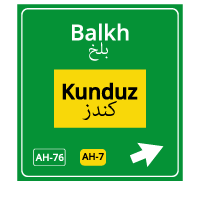
About signs
Main types of signs
Most of the signs you will see on Afghanistan roads are international symbolic signs. This means they use the same shapes and symbols as traffic signs all over the world.
Symbolic signs are used because they are quick to read and easy for all drivers to understand.
Afghanistan's signs are generally made of reflective material, making them easier to read at night.
The three types of sign
The signs on our roads can be divided into three types:
You must be able to recognise and understand each type of sign.
Some examples of these signs are shown on the following pages.
Note: the examples shown are only a small sample of the symbolic signs used on our roads. They are intended to familiarise you with the three main types of symbolic sign rather than introduce you to all of the signs you will see when driving.
Important
Road authorities (for example, local councils) may have special rules for road users in specific areas. These restrictions should be signs or markings.
Compulsory signs
Compulsory signs tell you what you must or must not do.
They are usually red or blue.
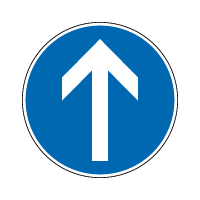
Straight Only
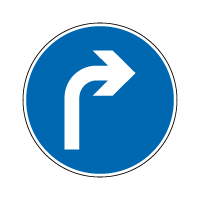
Right Only
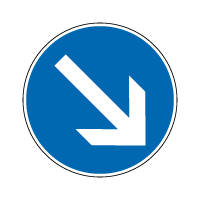
Keep Right
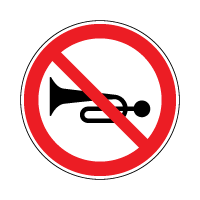
No Horn
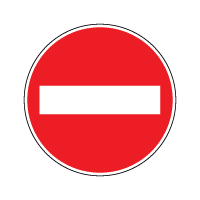
No Entry

Stop
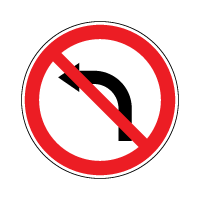
No Left Turn
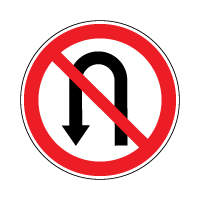
No U Turn
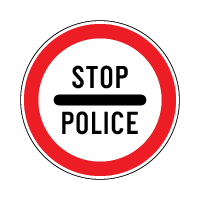
Police
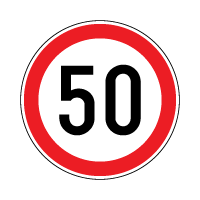
Speed Limit
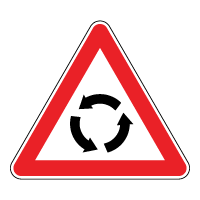
Round About
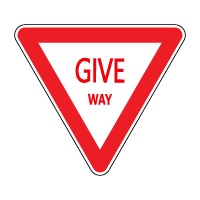
Give Way
Warning signs
Warning signs alert you to a particular hazard on the road ahead. They warn you to be careful for your own safety, the safety of other road users or the safety of road workers carrying out maintenance.
There are two types of warning signs:
Both types of sign are usually diamond shaped.
Permanent warning signs
Permanent warning signs are yellow and black.
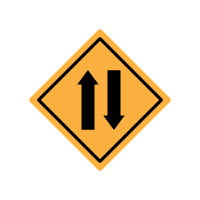
Two Way Traffic
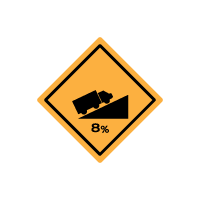
Dangerous Hill (Up)
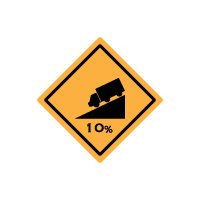
Dangerous Hill (Down)
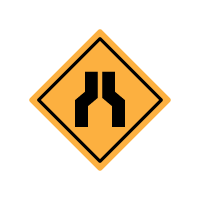
Road Narrow
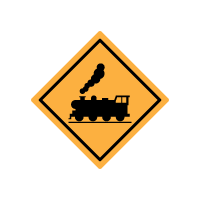
Rail Road Crossing Ahead
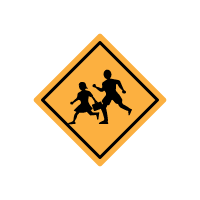
School/Kindergarden Zone
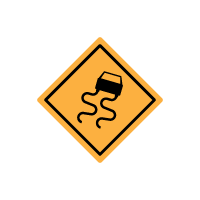
Slippery When Wet
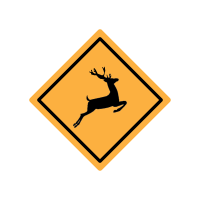
Caution Wild Animal
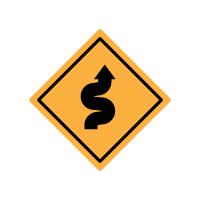
Widding Road
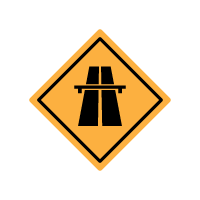
Express Way
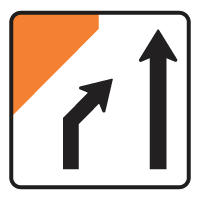
Left Lane Closed

Metal Surface
Temporary Warning Signs
Temporary Warning Signs are Orange and Black

Other Hazard
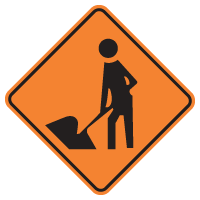
Road Works
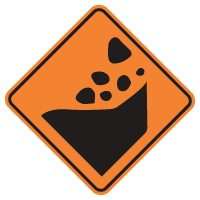
Slip Roads

Stop on Request
Information signs
Information signs give you useful information, for example, the distance to the next town. They are all rectangular, but come in a range of different colours and sizes.

Rest Area
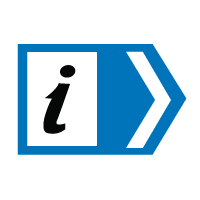
Information Centre

First Aid Station
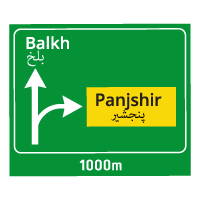
Destination
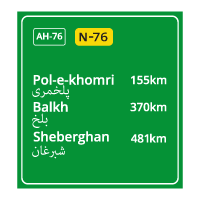
Free Way Distances